What's the best way to contact a drain engineer in Stoke Newington?
For immediate drainage problems in Stoke Newington N16, call us directly on 020 7870 3205. Our local engineers cover the area regularly and can typically respond within 1-2 hours for emergency situations. We're available 24/7, so whether it's a weekend blockage or middle-of-the-night emergency, you'll speak to our team immediately rather than an answering service.
How much does drain unblocking cost in Stoke Newington?
We believe in transparency for all our Stoke Newington customers, which is why we provide clear, upfront pricing with no hidden fees before any work begins. Our rates reflect the complexity of the job - a simple kitchen sink blockage will cost less than extensive root removal from a period property's clay pipes. You'll know exactly what you're paying before we start work, with no surprise charges added later.
How quickly can you reach Stoke Newington for drainage emergencies?
Our engineers typically reach Stoke Newington properties within 1-2 hours of your call, thanks to our strategic positioning across Greater London. Traffic on the A10 or around Stoke Newington Common can occasionally add time during peak hours, but our local knowledge helps us navigate efficiently. For severe emergencies like sewage backups, we prioritize arrival times and will keep you updated on our exact location.
Do you cover all areas of Stoke Newington?
Yes, we provide comprehensive coverage throughout the entire N16 postcode area, from Church Street down to the borders with Dalston and Canonbury. Our engineers are familiar with the drainage characteristics across all parts of Stoke Newington, whether you're in one of the period terraces near Abney Park or in the more modern developments closer to the reservoirs.
What causes most drain blockages in Stoke Newington properties?
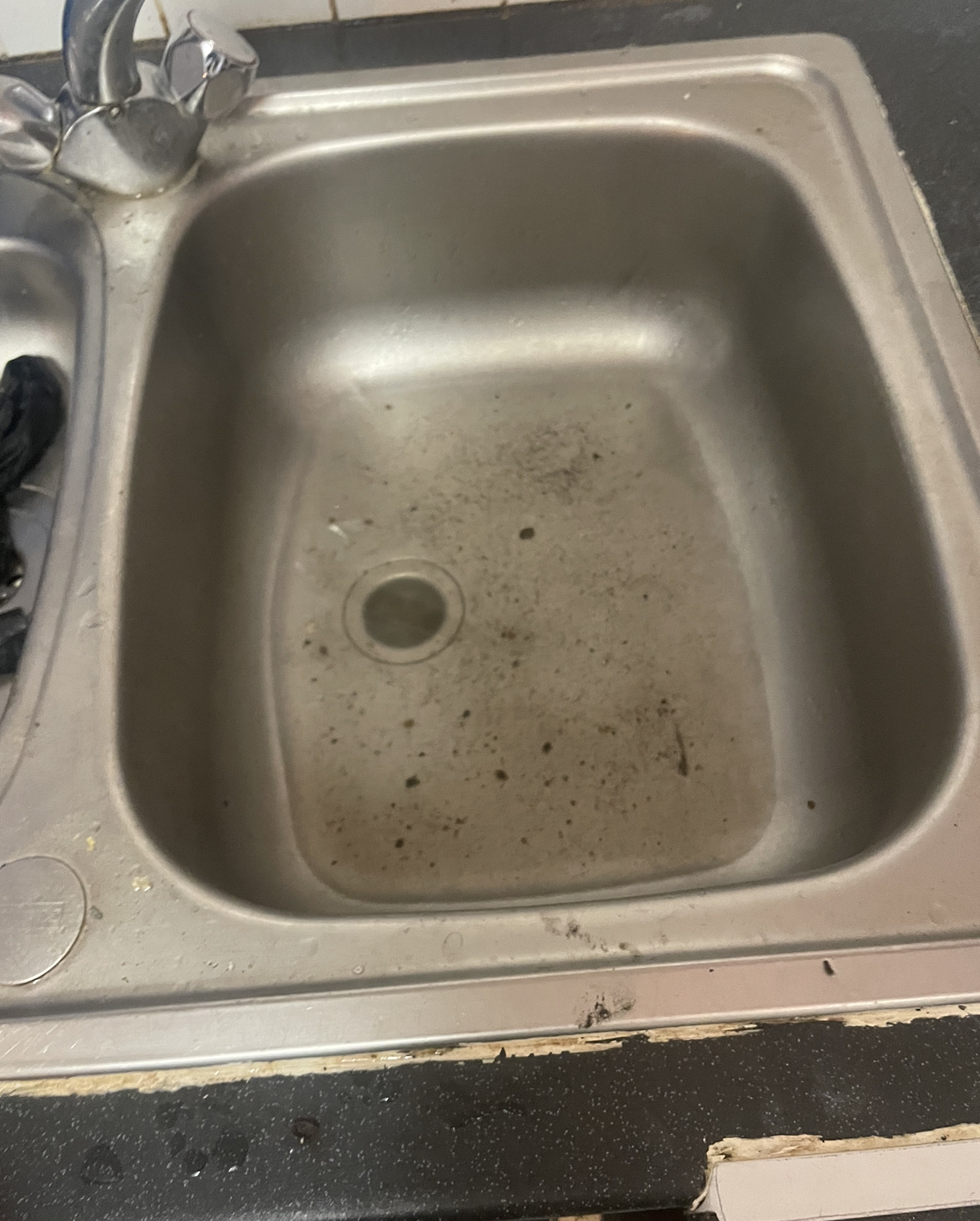
In Stoke Newington's period properties, we frequently encounter root intrusion into old clay pipes, particularly from the mature trees common throughout the area. Fat and grease buildup is also prevalent in the many converted flats where kitchen waste systems weren't designed for multiple households. We recently dealt with an intermittent smell issue in nearby E8 where bathroom waste lines had accumulated debris over time - a common problem in older conversions.
Should I get a drain survey before buying a house in Stoke Newington?
Given Stoke Newington's mix of Victorian housing and period conversions, a pre-purchase drain survey is highly recommended. Many of the area's attractive period properties have original clay drainage that may need attention, and conversion work sometimes impacts drainage systems. Our surveys have helped numerous N16 buyers identify potential issues early, allowing them to negotiate repairs or budget for necessary work.
Are your drainage engineers properly qualified for work in Stoke Newington?
All our engineers are fully qualified and certified, with our company maintaining Checkatrade Approved status and an outstanding 9.84/10 rating from 6,132 verified customer reviews. We're also Water Safe Approved and NADC members, with £10m insurance coverage. Our team's extensive experience with Greater London's varied drainage systems means they understand the specific challenges presented by Stoke Newington's housing stock.
Who should I contact about main sewer problems in Stoke Newington?
Thames Water manages the public sewerage system throughout Stoke Newington and the wider Greater London area. If the problem is in the public sewer rather than your private drainage, you should contact Thames Water directly. However, determining whether an issue is private or public responsibility can be complex - our engineers can help identify where the problem lies and guide you to the appropriate contact if it's a Thames Water matter.
Why do drains in Stoke Newington seem to block more during autumn?
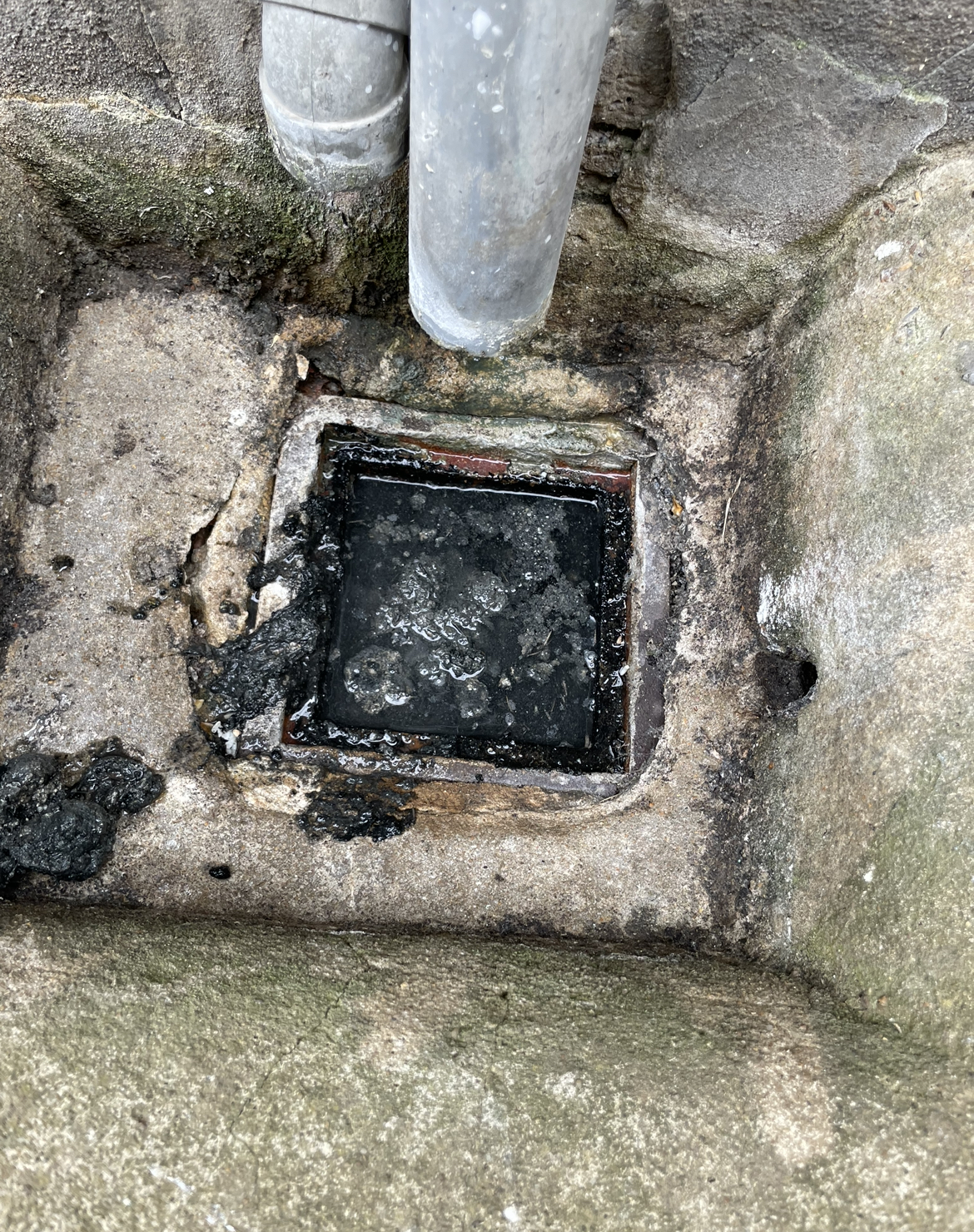
Stoke Newington's abundant mature trees, particularly around Clissold Park and throughout the residential streets, shed enormous amounts of leaves each autumn. These leaves can overwhelm gullies and external drainage, while also contributing to blockages in older properties where root systems have already compromised pipe integrity. The area's clay soil also becomes more saturated during autumn rains, sometimes causing ground movement that can affect older drainage systems.
Not sure the blocked pipe is even yours? Whose it is decides who pays, and
the answer turns on where the pipe runs and how many homes it serves — our
guide to shared drain
responsibility walks you through it in about thirty seconds.